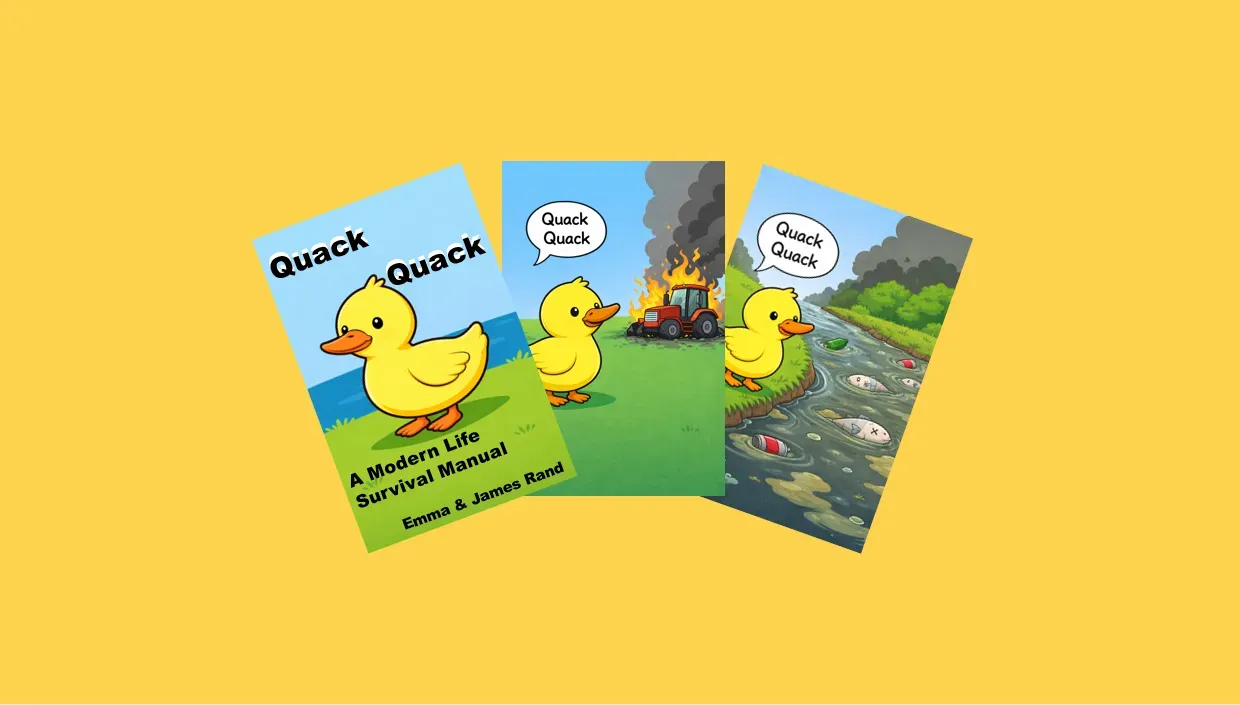
Adopt the QuackQuack attitude to life
QuackQuack - change how you view and react to life
Choose your problems and approach them in a more positive, fulfilling, and healthy way
The QuackQuack Ebook - coming soon
Our Story
No heartbreak or sad tales ...............
............................. just a riverside chat, fuming annoyance at fly-tipping, and observing ducks responding to the same issues.
By the end of our brief walk along the banks of the mighty Bristol River Avon, we were "Quack-Quacking" at the world's (and life's) intractable problems that we had no immediate power to influence.
QuackQuack has helped us immensely; maybe it can help you ?
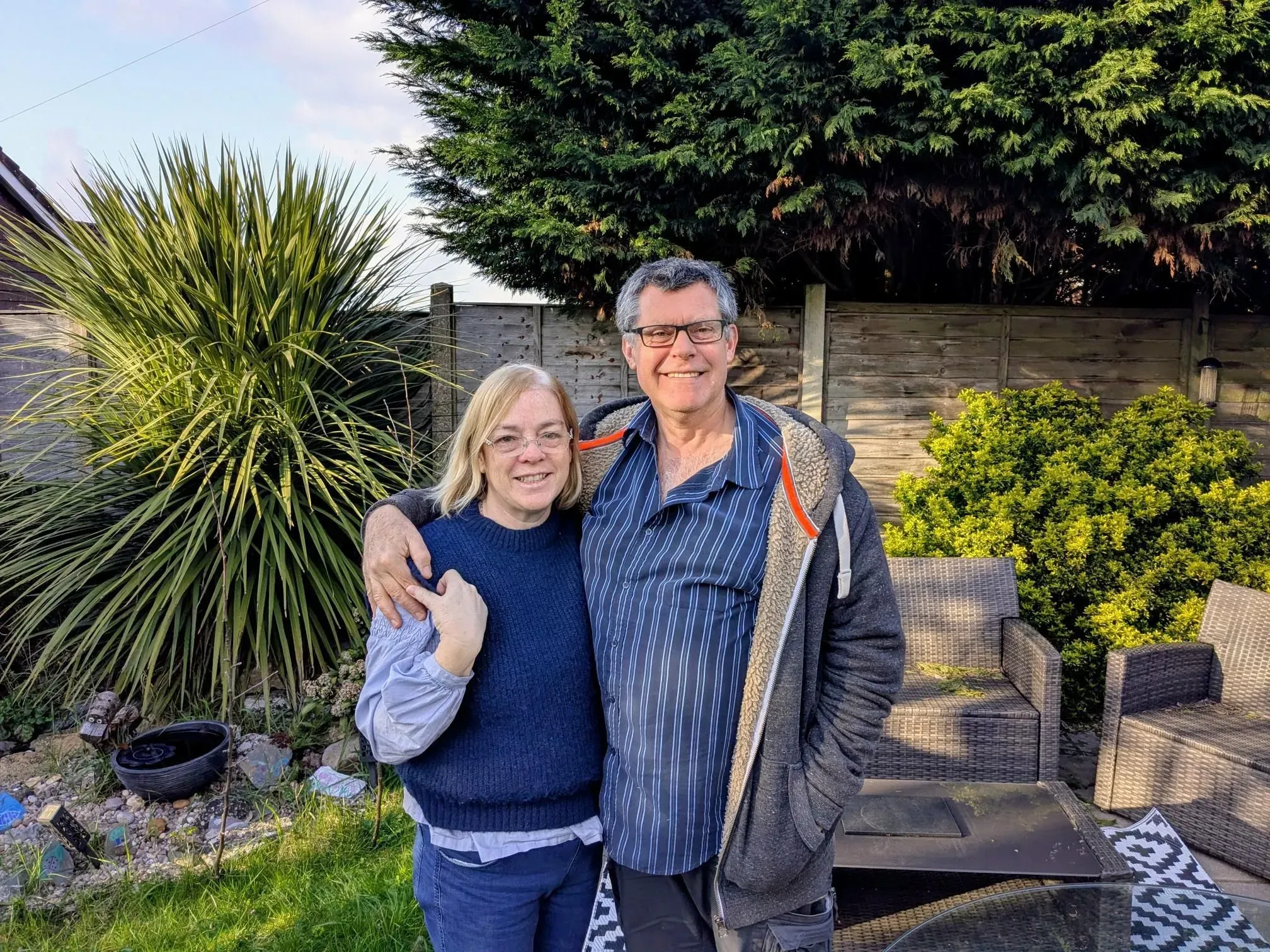
Married to each other for over 30 years, Emma is a world-leading authority on the practice and training in Intergenerational Care, whilst James is a reservoir/lake Water Quality Researcher.
Contact
For every problem under the sun,
There is a solution, or there is none,
If there is one, then try to find it,
If there is none, then never mind it.
QuackQuack is not about abdicating responsibility, but about choosing the battles you can win, at a cost you can personally afford.
🦆 “QuackQuack - let it float.” - Like a duck on water: things come and go.
🦆 “QuackQuack - not my pond today.” - The problem isn’t yours to fix.
🦆 “QuackQuack - breathe and drift.” - Pause and let things settle.
🦆 “QuackQuack - water off a duck’s back.” - Don’t let things stick or stress you.
🦆 “QuackQuack - ride the ripple.” - Life is wobbly, but you’ll float through it.

QuackQuack Theory
Control Theory / Locus of Control
Psychology distinguishes between things within our control and things outside our control.
If we try to control everything, stress increases.
Well-being improves when we focus effort only on what we can influence.
This idea comes from the concept of the Locus of Control, developed by Julian B. Rotter.
People with a balanced internal locus recognise their influence without assuming responsibility for everything.
The phrase is a reminder to say
“This part is not mine to control.”
Stoic Philosophy
Stoic philosophy is our basis.
Stoicism teaches that peace comes from understanding the “dichotomy of control.”
The Stoic philosopher Epictetus wrote: “Some things are up to us and some things are not.”
The idea is not indifference - it is calm acceptance plus wise action.
The Quack Quack phrase works as a modern, playful version of that principle.
Cognitive Appraisal Theory
Stress is often determined not by the situation itself but by how we interpret it.
Psychologist Richard Lazarus proposed the Cognitive Appraisal Theory:
We evaluate a situation.
We decide if it is threatening.
Our stress response follows that evaluation.
If we reappraise the situation (“this is just one of those quack quack stories”), the emotional intensity can reduce.
Acceptance and Commitment Thinking
Modern wellbeing approaches emphasise acceptance without resignation.
In Acceptance and Commitment Therapy (ACT), developed by Steven C. Hayes, the goal is to:
Accept difficult situations or feelings
Avoid unnecessary struggle with them
Still act according to your values
This is not pretending things don’t matter, but choosing not to be consumed by stress.
The “quack quack” phrase and stories act as a cognitive cue:
A stressful situation appears.
You say the phrase.
It reminds you to pause, reappraise, and focus only on what you can influence.
Summary
Quack Quack combines:
Stoic control awareness
Cognitive reappraisal
Acceptance of uncertainty
Emotional regulation through humour